
Skin Allergy Treatment in Sylhet
Get professional evaluation and treatment guidance for skin allergies, itching, rashes, hives, and related skin conditions in Sylhet.
Regain Clear, Healthy Skin with Expert Dermatological Care
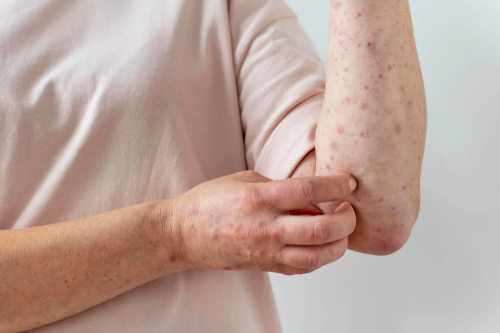
Skin allergies can cause itching, redness, rashes, swelling, dryness, or irritation. The symptoms may result from contact with a substance, a medication, an environmental trigger, or another underlying skin condition.
Dr. MD Zakaria provides dermatology consultations in Sylhet for patients with persistent itching, rashes, hives, and suspected skin allergies. Treatment depends on the cause and severity of the condition, so proper assessment is important before choosing a treatment approach.
Understanding Common Skin Allergies We Treat
Skin rashes and itching can have many different causes. A dermatologist can assess the symptoms, medical history, and appearance of the skin to help determine the likely cause and appropriate treatment.
Common Conditions Associated With Skin Allergy Symptoms
Skin symptoms such as itching, redness, swelling, and rashes can occur in several conditions. Some commonly encountered problems include:
- Contact dermatitis: A skin reaction that develops after contact with an irritating or allergenic substance, such as certain cosmetics, fragrances, detergents, or metals.
- Eczema / atopic dermatitis: A chronic inflammatory skin condition that commonly causes dryness, itching, and irritation.
- Urticaria (hives): Raised, itchy welts that often appear suddenly and may disappear or move to another area within a short period.
- Drug-related skin reactions: Some medicines can cause rashes, itching, hives, or other skin reactions.
- Other causes of itching and rashes: Infections, insect bites, environmental exposures, and other skin conditions can sometimes produce symptoms that resemble an allergy.
Common Triggers of Skin Allergies
Skin reactions can occur when the immune system responds to a particular substance or when the skin becomes irritated by an external trigger. The specific cause is not always easy to identify. Common triggers can include:
- Cosmetics, fragrances, and skincare products
- Soaps, detergents, and cleaning products
- Metals such as nickel
- Certain medicines
- Latex and other materials
- Plants and other substances that come into contact with the skin
- Environmental exposures
Identifying the trigger can be helpful in preventing repeated reactions, although the cause is not always obvious.
When Should You See a Doctor for Allergy?
Consider consulting a dermatologist if your rash or itching is persistent, severe, recurrent, or difficult to explain. You should consult Dr. Zakaria if you experience:
-
A rash that spreads rapidly or covers a large percentage of your body.
-
Intense itching that disrupts your sleep, focus, or daily activities.
-
Symptoms that do not improve after a few days of using over-the-counter treatments.
-
Signs of infection, such as yellow crusting, pus, extreme tenderness, or skin that feels abnormally hot to the touch.
-
Emergency: If a skin reaction is accompanied by swelling of the lips, tongue, mouth, or throat, difficulty breathing, dizziness, or fainting, seek emergency medical care immediately.
Skin allergies are one of the many skin conditions that may require evaluation and treatment by a dermatologist. Dr. MD Zakaria provides consultation and treatment for a range of dermatological conditions in Sylhet. Explore our dermatology services to learn more about the skin conditions treated and the available consultation options.
Daily Care for Allergy-Prone Skin
Managing sensitive skin requires a consistent, gentle daily routine to maintain a healthy, defensive skin barrier. Follow these dermatological best practices:
-
Use Gentle Cleansers: Switch to fragrance-free, hypoallergenic body washes and face cleansers. Avoid harsh antibacterial soaps that strip your skin's natural oils.
-
Moisturize Frequently: Apply a thick, clinical-grade emollient or ceramide cream immediately after bathing to lock in moisture and repair the damaged skin barrier.
-
Take Lukewarm Showers: Hot water exacerbates inflammation and strips the skin of protective lipids. Keep showers brief (under 10 minutes) and use lukewarm water.
-
Choose comfortable clothing: Wear loose, breathable clothing and avoid fabrics or materials that clearly worsen your itching or irritation.
-
Be cautious with new products: If you are prone to skin reactions, introduce new skincare or cosmetic products carefully and stop using them if they cause irritation or a rash.
How Skin Allergy Treatment Is Planned
Treatment depends on the cause, severity, duration, and type of skin reaction. During a consultation, Dr. Zakaria assesses the symptoms and relevant medical history before recommending an appropriate treatment plan.
Identifying the Cause
The appearance and distribution of the rash, associated symptoms, previous episodes, medications, skincare products, and possible exposures may help identify the likely cause.
Controlling Symptoms
Depending on the diagnosis, treatment may include medicines or topical treatments to reduce itching, inflammation, redness, or other symptoms.
Avoiding Triggers
If a particular product, substance, medicine, or environmental exposure is suspected to be contributing to the reaction, avoiding the trigger may help prevent further episodes.
Follow-Up and Long-Term Care
Persistent or recurring skin conditions may require follow-up. Treatment can be adjusted according to how the condition responds and whether symptoms return.
Why Choose Dr. MD Zakaria for Allergy Care in Sylhet?
Experienced Dermatology Care
Dr. MD Zakaria has more than 30 years of clinical experience in dermatology and venereology and provides consultation for a wide range of skin conditions.
Individual Assessment
Skin rashes and itching can have different causes. Each patient's symptoms, medical history, and skin condition are considered when planning treatment.
Evidence-Based Care
Treatment recommendations are based on the clinical assessment and the patient's individual condition rather than using the same approach for every skin problem.
Patient Education
Patients receive practical guidance about skincare, possible triggers, treatment and follow-up when appropriate.
Frequently Asked Questions
What is the difference between eczema and hives?
Eczema (atopic dermatitis) is typically a chronic condition characterized by dry, scaly, and inflamed patches of skin that develop over time. Hives (urticaria) present as sudden, raised, itchy welts that can appear rapidly and often fade or move around the body within 24 hours.
Can skin allergies be cured permanently?
Some allergic skin reactions can be prevented by identifying and avoiding the trigger. Other conditions, such as eczema, may be long-term and can flare from time to time. Appropriate treatment and trigger management can help control symptoms and reduce flare-ups.
When should I consult a skin specialist for a rash?
You should see a dermatologist if your rash is severe, spreads rapidly, covers a large area of your body, is intensely itchy, does not improve with over-the-counter creams, or is accompanied by signs of infection like pus, warmth, or extreme tenderness.
Schedule Your Consultation in Sylhet
If you have persistent itching, rashes, hives, or other skin allergy symptoms, consult a dermatologist in Sylhet for an appropriate evaluation and treatment plan.