
Advanced Eczema & Dermatitis Treatment in Sylhet
Stop struggling with chronic dry skin and intense itching. Take control of your skin health with a dermatitis treatmenr plan.
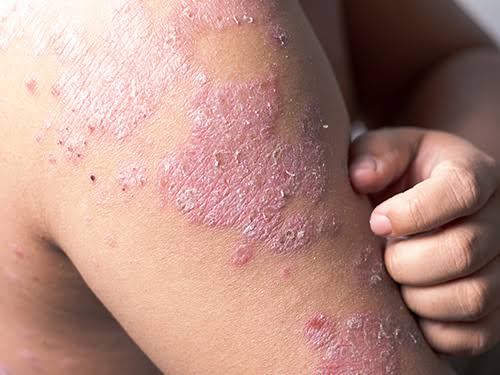
Regain Clear, Healthy Skin with Expert Dermatological Care
Living with eczema and dermatitis means battling chronic dryness, intense itching, and unpredictable flare-ups that can severely impact your quality of life. Over-the-counter lotions often fail to penetrate the damaged skin barrier, leaving you searching for real, medical-grade relief.
Led by Dr. Mohammad Zakaria, our clinic offers specialized eczema and dermatitis treatment in Sylhet. With a focus on restoring your skin’s natural defenses, Dr. Zakaria provides personalized, evidence-based dermatological care to stop the itch-scratch cycle and heal inflamed skin from the inside out.
Lets Learn Some Facts About Eczema & Dermatitis
A skin specialist can identify the type of Eczema & Dermatitis you have and recommend treatment based on your individual skin condition.
Types of Eczema & Dermatitis We Treat
"Dermatitis" simply means inflammation of the skin, but it manifests in several distinct forms that require specific clinical approaches:
Atopic Dermatitis: The most common form of eczema, often linked to genetics and allergies. It causes severe dryness, redness, and chronic itching, frequently appearing in the creases of elbows and knees.
Contact Dermatitis: Localized inflammation and blistering caused by direct physical contact with an allergen or irritant (such as harsh soaps, metals, or specific chemicals).
Seborrheic Dermatitis: Red, scaly, and greasy patches that typically develop on areas rich in oil glands, such as the scalp (severe dandruff), face, and upper chest.
Dyshidrotic Eczema: Small, intensely itchy fluid-filled blisters that form uniquely on the palms of the hands and soles of the feet.
Nummular Eczema: Distinct, coin-shaped spots of irritated skin that can become crusty, scaly, and highly prone to secondary infections.
What Can Cause or Trigger Eczema?
Eczema flare-ups are often the result of a hyperactive immune system reacting to external irritants or internal changes. While triggers vary significantly from person to person, common culprits include:
Environmental Allergens: Dust mites, pet dander, pollen, and mold.
Harsh Irritants: Fragranced body washes, laundry detergents, household cleaners, and antibacterial soaps that strip the skin’s natural oils.
Climate and Temperature: Extreme dry, cold winter air or excessive sweating during hot, humid Sylhet summers.
Stress and Anxiety: High stress levels can increase inflammation and cortisol production, leading to sudden skin flare-ups.
Certain Fabrics: Scratchy materials like wool or non-breathable synthetic fibers (polyester, nylon) that trap heat and friction against the skin.
Food Allergies: In some cases, especially in children, certain foods like dairy, nuts, or eggs can exacerbate atopic dermatitis.
When Should You See a Doctor for Eczema?
Occasional dry skin can often be managed at home, but clinical eczema requires professional dermatological care to prevent long-term skin damage. You should schedule a visit with Dr. Zakaria if you experience:
-
Intense itching that disrupts your sleep, concentration, or daily activities.
-
A rash that continues to spread or worsen despite using over-the-counter moisturizers or hydrocortisone creams.
-
Signs of a secondary skin infection, such as yellow crusting, pus-filled bumps, swelling, or skin that feels hot to the touch.
-
Painful, deep cracks or fissures in the skin, particularly on the hands or feet.
-
Frequent, unpredictable flare-ups that are affecting your confidence and mental well-being.
Daily Care for Eczema or Dermatitis-Prone Skin
Managing eczema is an ongoing process that requires protecting your skin’s fragile barrier. Following a clinical daily routine is just as important as prescription treatments:
The "Soak and Seal" Method: Take short (5-10 minute), lukewarm baths or showers. Gently pat your skin dry with a towel, leaving it slightly damp, and immediately apply a thick, clinical-grade emollient to lock in moisture.
Switch to Hypoallergenic Products: Exclusively use fragrance-free, dye-free, and gentle cleansers. Avoid products labeled "unscented," as they may still contain masking chemicals.
Wear Breathable Clothing: Stick to loose-fitting, 100% cotton garments to allow your skin to breathe and minimize friction.
Manage the Itch Safely: Keep your fingernails trimmed short to prevent breaking the skin when scratching. If you feel the urge to itch, apply a cool compress to the area instead.
Use a Humidifier: During dry seasons or in heavily air-conditioned rooms, a humidifier can help prevent moisture from evaporating from your skin.
Our Clinical Treatment Protocol
Immediate Flare-Up Control
During acute flare-ups, intense itching must be stopped immediately to prevent skin damage. We prescribe precise courses of clinical-grade topical corticosteroids or non-steroidal calcineurin inhibitors to rapidly reduce inflammation and redness.
Deep Skin Barrier Repair
The root cause of eczema is a compromised skin barrier that leaks moisture and lets irritants in. We integrate specialized, medical-grade emollients and ceramide-dominant therapies into your daily routine to rebuild and seal your skin's protective layer.
Advanced Systemic Therapies
For moderate to severe, stubborn cases of atopic dermatitis that do not respond to topical treatments, we offer advanced dermatological solutions, including targeted oral medications or biologic therapies to calm an overactive immune response.
Secondary Infection Management
Constant scratching often breaks the skin, inviting staph bacteria or viruses. We identify and treat any underlying skin infections with targeted antibiotics or antimicrobials to allow the skin to heal properly.
Why Choose Dr. MD Zakaria for Eczema Care?
Expert Clinical Diagnosis
Precise identification of your specific dermatitis type by a certified dermatologist.
Holistic Management
Treating both the acute flare-ups and the underlying skin barrier defect for long-term control.
Safe for All Ages
Personalized guidance on bathing habits, fabric choices, and trigger avoidance to keep skin calm.
Safe & Sterile Protocols
Gentle, tailored treatment protocols suitable for both pediatric and adult eczema patients.
Frequently Asked Questions
Is eczema contagious?
No, eczema and dermatitis are not contagious. You cannot catch them from someone else or pass them on. They are related to genetics, skin barrier function, and immune system responses.
Can eczema be completely cured?
While chronic forms like atopic dermatitis cannot be permanently "cured," they can be highly successfully managed. With a proper clinical skincare regimen and targeted treatments, patients can achieve long periods of clear, symptom-free skin.
Does weather affect my dermatitis?
Yes. Extreme weather changes heavily influence eczema. Cold, dry winters can strip the skin of moisture, while hot, humid summers can increase sweating and trigger irritation. Dr. Zakaria adjusts treatment plans based on seasonal environmental changes.
Schedule Your Consultation in Sylhet
Stop struggling with chronic dry skin and relentless itching. Take control of your skin health with a customized dermatitis management plan.