
Advanced Hair Loss Treatment in Sylhet
Transform your skin health with personalized treatments from the best dermatologist in Sylhet.
Regain Clear, Healthy Skin with Expert Dermatological Care
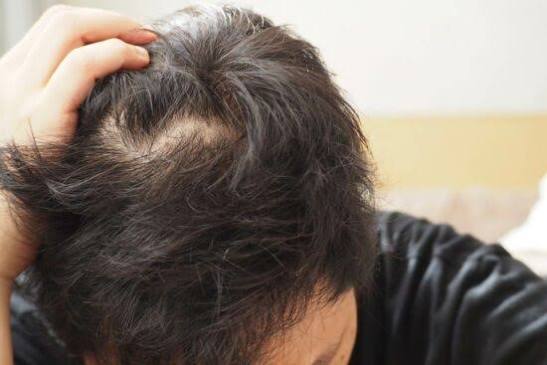
Experiencing hair thinning, excessive shedding, or noticeable bald patches can be deeply distressing. While the market is flooded with cosmetic oils and unproven shampoos, true hair restoration requires a scientific, medical approach.
Dr. Mohammad Zakaria provides comprehensive, medical-grade hair loss treatment in Sylhet. As a specialized dermatologist, he focuses on identifying the exact biological, hormonal, or genetic cause of your hair loss to prescribe targeted clinical therapies that halt shedding and stimulate new, healthy hair growth.Some Facts About Hair Loss Treatment
A skin specialist can identify the type of your hair loss and recommend treatment based on your individual condition.
Types of Hair Loss (Alopecia) We Treat
Hair loss is not a single disease; it is a symptom of various underlying conditions. We accurately diagnose and treat all major forms of alopecia:
-
Androgenetic Alopecia (Male & Female Pattern Baldness): The most common form of hair loss, driven by genetics and hormones (DHT). It causes a receding hairline and crown thinning in men and overall widening of the hair part in women.
-
Telogen Effluvium: Sudden, widespread hair shedding triggered by severe physical or emotional stress, illness (like dengue or typhoid), rapid weight loss, or nutritional deficiencies.
-
Alopecia Areata: An autoimmune condition where the body’s immune system mistakenly attacks hair follicles, resulting in distinct, coin-sized bald patches on the scalp or beard.
-
Scarring Alopecia (Cicatricial Alopecia): Rare inflammatory conditions that destroy hair follicles and replace them with scar tissue, requiring immediate dermatological intervention to prevent permanent baldness.
What Causes or Triggers Hair Loss?
Effective treatment begins with understanding the root trigger. Common causes of hair thinning include:
Genetics and Hormones: A family history of baldness and sensitivity to dihydrotestosterone (DHT).
Nutritional Deficiencies: Lack of essential vitamins and minerals, particularly Iron, Vitamin D, Zinc, and Biotin.
Medical Conditions: Thyroid imbalances (hypothyroidism or hyperthyroidism) and hormonal disorders like PCOS in women.
Severe Scalp Infections: Unresolved fungal infections (Tinea Capitis) or severe seborrheic dermatitis that damages the hair follicles.
Medications: Side effects from certain blood pressure drugs, antidepressants, or intensive medical treatments.
When Should You See a Hair Specialist?
Do not wait until your hair follicles are completely dormant. You should consult Dr. Zakaria if you notice:
-
Sudden, patchy hair loss on your scalp or beard.
-
Losing significantly more than the normal 50-100 hairs per day (e.g., large clumps in the shower drain or on your pillow).
-
A visibly receding hairline or a widening part.
-
Hair loss accompanied by an itchy, red, scaly, or painful scalp.
-
No improvement after correcting your diet and reducing stress.
Seeking hair and skin treatment early may help control losing more hair and reduce the likelihood of becoming bald.
Daily Hair Care to Prevent Breakage and Loss
Protecting the hair you have is a crucial part of the restoration process. Follow these clinical guidelines:
Be Gentle with Wet Hair: Hair is highly fragile when wet. Avoid vigorous towel drying or brushing right out of the shower. Use a wide-toothed comb.
Avoid Heat & Chemical Damage: Minimize the use of blow dryers, flat irons, chemical relaxers, and harsh hair dyes that weaken the hair shaft and cause breakage.
Eat a Protein-Rich Diet: Hair is primarily made of a protein called keratin. Ensure your daily diet includes adequate lean proteins, iron, and omega-3 fatty acids.
Treat Dandruff Promptly: Chronic scratching due to an itchy, flaky scalp can physically uproot hairs and damage follicles.
Our Clinical Hair Restoration Approach
Dr. Zakaria utilizes a multi-step, evidence-based protocol to stop hair fall and encourage regrowth:
Diagnostic Evaluation & Blood Work
We begin with a detailed scalp examination (trichoscopy) and, if necessary, order specific blood tests to rule out hidden internal triggers like thyroid dysfunction or anemia.
Topical Medical Therapies
We prescribe clinical-grade topical solutions, such as formulated Minoxidil, to increase blood flow to the hair follicles, prolong the growth phase, and thicken existing hair strands.
Oral Medications & Supplements
For pattern baldness or hormonal hair loss, targeted oral medications (like DHT blockers) are utilized to stop the progression of follicle miniaturization. We also provide pharmaceutical-grade nutritional supplements to correct specific deficiencies.
Advanced Clinical Procedures
For stubborn hair loss, we offer advanced dermatological interventions, including targeted intralesional injections (highly effective for Alopecia Areata) to suppress localized inflammation and stimulate rapid regrowth.
Why Choose Dr. Mohammad Zakaria for Hair Care
Medical Diagnosis
We don't just sell serums; we order diagnostic tests to find the actual medical cause of your shedding.
Evidence-Based Medicine
Utilizing scientifically proven treatments like Minoxidil and DHT blockers, not unverified herbal oils.
Comprehensive Care
Addressing both the external scalp environment and internal nutritional/hormonal imbalances.
Honest Prognosis
Clear, transparent communication about what results are clinically possible for your specific type of hair loss.
Frequently Asked Questions
Can baldness be cured completely?
Genetic pattern baldness (Androgenetic Alopecia) cannot be "cured," but it can be highly effectively managed. With early clinical intervention and consistent use of prescribed therapies, you can stop the progression and regrow a significant amount of lost hair.
How long does it take for hair loss treatments to work?
Hair growth is a slow biological process. You must be patient. Most medical treatments take at least 3 to 6 months of consistent daily use before you will see visible thickening and new growth.
Does stress really cause hair loss?
Yes. Severe physical or emotional stress can force a large number of hair follicles into a resting phase (Telogen Effluvium). A few months after the stressful event, these hairs will suddenly fall out. Fortunately, this type of hair loss is usually temporary and reversible with proper care.
Schedule Your Hair Restoration Consultation in Sylhet
Don't let hair loss impact your confidence. Get a precise medical diagnosis and start a scientifically proven regrowth plan today.