
Advanced Dandruff & Scalp Treatment in Sylhet
Transform your scalp health with personalized treatments from the top dermatologist in Sylhet.
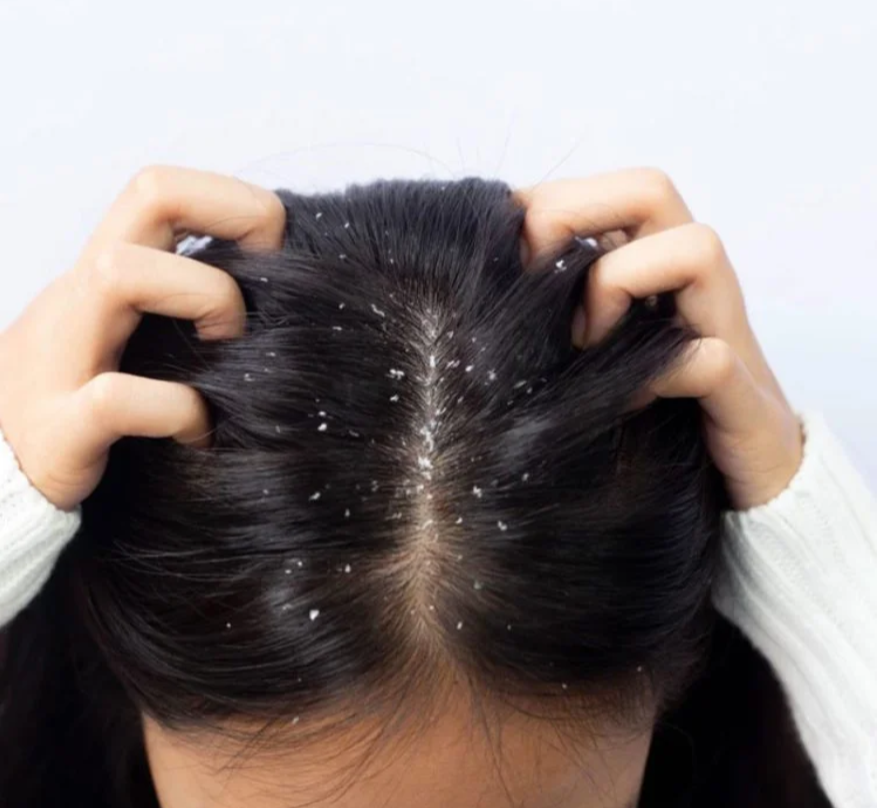
Clinical Solutions for Severe Flaking, Itching, and Seborrheic Dermatitis
Occasional white flakes on your shoulders are common, but when dandruff becomes severe, chronic, and intensely itchy, over-the-counter shampoos are rarely enough. Persistent scalp irritation is often a sign of an underlying dermatological condition that requires targeted medical care.
Dr. Mohammad Zakaria offers specialized dandruff and itchy scalp treatment in Sylhet. With a comprehensive clinical approach, he goes beyond temporary symptom relief to accurately diagnose the root cause of your scalp distress, eliminate fungal overgrowth, and restore a healthy, balanced scalp environment.Lets Learn Some Common Facts About Dandruff
A dermatologist can examine your scalp and determine whether the problem is ordinary dandruff, seborrheic dermatitis, psoriasis, fungal infection, or another scalp condition.
Understanding the Difference: Everyday Dandruff vs. Clinical Scalp Conditions
Not all scalp flaking is the same. Treating severe conditions with basic dandruff shampoo can actually worsen the irritation. We identify and treat the specific type of scalp disorder you are experiencing:
Normal Dandruff (Pityriasis Capitis): Mild, dry, white flakes caused by an accelerated shedding of dead skin cells. Usually easily managed with basic clinical care.
Seborrheic Dermatitis: A severe, inflammatory form of dandruff characterized by stubborn, greasy, yellowish scales, redness, and intense itching. It frequently affects the scalp but can also appear on the eyebrows, sides of the nose, and chest.
Scalp Psoriasis: An autoimmune condition causing thick, red plaques covered with silvery scales. These plaques often extend beyond the hairline onto the forehead or back of the neck and require specific immunosuppressive therapies.
Scalp Ringworm (Tinea Capitis): A contagious fungal infection that causes severe scaling, intense itching, and localized, patchy hair loss (mostly seen in children, but can affect adults).
What Causes Severe Dandruff and Scalp Irritation?
Seborrheic dermatitis and chronic dandruff are typically triggered by a combination of biological and environmental factors:
Fungal Overgrowth (Malassezia): A naturally occurring yeast on the scalp that feeds on skin oils. In some individuals, the immune system overreacts to this yeast, causing rapid skin cell shedding and inflammation.
Excessive Sebum Production: Naturally oily scalps provide a perfect breeding ground for Malassezia yeast to thrive and multiply.
Heat, Humidity, and Sweat: The hot, humid climate of Sylhet during the summer months increases scalp sweating and oil production, frequently triggering severe flare-ups.
Stress and Hormonal Changes: High stress levels and internal hormonal fluctuations can trigger increased sebum production and heighten your skin's inflammatory response.
When Should You See a Dermatologist for Dandruff?
You should schedule a consultation with a skin specialist if:
You have tried over-the-counter anti-dandruff shampoos for several weeks with no improvement.
The itching is so severe that it disrupts your sleep or daily focus.
Your scalp is red, swollen, weeping fluid, or feels tender to the touch (signs of a secondary infection).
You are experiencing noticeable hair thinning or hair loss in the areas where you are scratching.
The scaling and redness have spread to your face, ears, or chest.
Seeking dermatological care early may help control active dendruff and reduce the likelihood of hairfall boldness.
Daily Hair Care Tips to Prevent Dandruff Flare-Ups
Avoid Hair Oiling During Flare-Ups: A common myth is that oil cures dandruff. In reality, Malassezia yeast feeds on oil. Applying coconut or olive oil to seborrheic dermatitis will make the flaking and itching significantly worse.
Wash Regularly: If you have an oily scalp, washing your hair more frequently helps remove the excess sebum that feeds dandruff-causing yeast.
Don't Scratch: Aggressive scratching breaks the skin on your scalp, leaving you vulnerable to painful bacterial infections and permanent damage to your hair follicles.
Manage Stress: Since cortisol (the stress hormone) triggers oil production, practicing stress management can directly improve the health of your scalp.
Our Medical Scalp Treatment Protocol
Dr. Zakaria utilizes a step-by-step clinical approach to stop the itch, clear the scales, and prevent recurrence:
Precise Clinical Scalp Diagnosis
We thoroughly examine your scalp to differentiate between seborrheic dermatitis, psoriasis, fungal infections, or allergic contact dermatitis from hair dyes or products.
Prescription-Strength Medicated Shampoos
We prescribe targeted clinical shampoos containing active ingredients (such as Ketoconazole, Ciclopirox, Selenium Sulfide, or Coal Tar) at concentrations not available in standard pharmacies to effectively eradicate fungal overgrowth.
Targeted Topical Steroids and Anti-Inflammatories
To rapidly calm intense redness, swelling, and itching during an acute flare-up, we utilize short courses of clinical-grade topical corticosteroids in easy-to-apply scalp lotions or foams.
Long-Term Scalp Maintenance Routines
Once the severe inflammation is under control, we design a personalized, long-term hair care routine to maintain a healthy scalp barrier and prevent future outbreaks without over-medicating.
Why Choose Dr. Mohammad Zakaria for Hair & Scalp Care
Accurate Differentiation
We ensure you aren't treating scalp psoriasis with dandruff shampoo, preventing wasted time and worsened symptoms.
Hair Loss Prevention
Immediate intervention to stop the aggressive itching that damages hair follicles and causes traction alopecia.
Customized Prescriptions
Tailored strengths of anti-fungal and anti-inflammatory therapies based on the severity of your flare-up.
Evidence-Based Advice
Debunking harmful home remedies (like excess oiling) and providing medically sound scalp care routines.
Frequently Asked Questions
Can severe dandruff cause hair loss?
Dandruff itself does not directly cause hair to fall out. However, the intense, aggressive scratching associated with severe dandruff and seborrheic dermatitis can physically damage the hair roots, leading to temporary hair thinning or loss.
Do home remedies like oiling make dandruff worse?
Yes, in cases of true seborrheic dermatitis. The yeast responsible for dandruff thrives on lipids (fats/oils). Applying additional oils directly to an inflamed, flaky scalp essentially feeds the yeast, leading to thicker scales and worse itching.
Is seborrheic dermatitis a permanent condition?
Seborrheic dermatitis is a chronic condition, meaning it naturally comes and goes in cycles based on stress, weather, and immunity. While it cannot be completely "cured," it can be exceptionally well-controlled with the correct clinical management plan, keeping your scalp clear and itch-free.
Schedule Your Scalp Consultation in Sylhet
Stop hiding your flakes and suffering through chronic scalp itching. Get an accurate diagnosis and a customized, medical-grade treatment plan from an expert dermatologist.