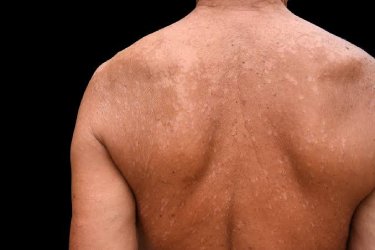
Fungal Skin Infection Treatment in Sylhet

Get appropriate treatment for your fungal infection that comes again and again.

fungal skin infections

Get Relief From Recurrent Fungal Infection From Expert Dermatological Care

Fungal skin infections are common and can cause itching, redness, scaling, peeling, or changes in skin colour. They may affect the body, groin, feet, scalp, or nails and can sometimes be mistaken for eczema, psoriasis, or other skin conditions.
Dr. MD Zakaria provides dermatology consultation for fungal skin infections in Sylhet. Treatment is based on the location and extent of the infection, the patient's symptoms, and clinical assessment. When necessary, further testing may be recommended to help confirm the diagnosis.

Common Types of Fungal Skin Infections

A dermatologist can examine the affected skin and determine whether the rash is caused by a fungal infection or another condition with similar symptoms.

Common Fungal Skin Infections We Treat

Fungal infections can affect different parts of the skin, feet, groin, scalp and nails. Common conditions include:

  • Ringworm (Tinea Corporis):Ringworm is a common fungal infection of the skin that can cause an itchy, scaly, ring-shaped rash. Despite its name, ringworm is caused by fungi, not worms.(Commonly known locally as Daud).

  • Athlete’s Foot (Tinea Pedis):Athlete's foot affects the skin of the feet and commonly causes itching, scaling, peeling, or cracking, particularly between the toes..

  • Fungal Nail Infections (Onychomycosis): Fungal infections can also affect the nails, causing them to become thickened, discoloured, brittle, or separated from the nail bed.

  • Jock Itch (Tinea Cruris): Jock itch is a fungal infection affecting the groin and surrounding skin. It commonly causes an itchy, red or scaly rash.

  • Tinea Versicolor (Fungal Discoloration): Tinea versicolor is a common fungal infection that causes lighter or darker patches on the skin, often on the chest, back, neck, or upper arms.

What Causes or Triggers Fungal Skin Infections?

Fungi grow more easily in warm, moist environments. Fungal infections can spread through direct contact with an infected person or animal, or through contaminated clothing, towels, footwear, and other personal items.

  • Warm and humid environments
  • Excessive sweating
  • Wearing damp clothing or footwear for prolonged periods
  • Sharing towels, clothing, footwear, or other personal items
  • Direct contact with an infected person or animal
  • Walking barefoot in shared wet areas such as changing rooms and communal showers
  • Certain health conditions or medications that affect the immune system
  • When Should You See a Doctor for a Fungal Infection?

    You should consult a doctor immediately if:

  • The rash is spreading or becoming more extensive
  • The infection keeps coming back
  • Symptoms do not improve with appropriate treatment
  • The scalp, beard, or nails are affected
  • Multiple areas of the body are affected
  • The rash is painful, swollen, or associated with discharge
  • You are unsure whether the rash is actually a fungal infection
  • You have another medical condition that may affect your immune system

  • Seeking dermatological care early may help control active infections and reduce the likelihood of reccurance and sufferings.

    How Can Fungal Skin Infections Be Prevented?

    Use concise practical advice:

    • Keep the skin clean and dry.
    • Dry carefully between the toes and in skin folds after bathing.
    • Change sweaty clothes promptly.
    • Avoid sharing towels, clothing, socks, footwear, or personal grooming items.
    • Wear clean socks and allow footwear to dry properly.
    • Avoid prolonged contact with damp environments.
    • Wear appropriate footwear in communal showers and changing rooms.
    • If someone in the household has a contagious fungal infection, follow appropriate hygiene measures to reduce transmission.

    Not Every Itchy or Ring-Shaped Rash Is a Fungal Infection

    Itching, redness, scaling, or a ring-shaped rash can have several different causes. Fungal infections can sometimes look similar to eczema, dermatitis, psoriasis, and other skin conditions. A proper clinical assessment can help determine whether a rash is caused by a fungal infection or another condition.

    Avoid starting medication based only on the appearance of a rash, particularly if the condition is recurrent or not improving with treatment.

    How Are Fungal Skin Infections Diagnosed?

    A dermatologist may be able to identify a fungal infection from the appearance and location of the affected skin. However, fungal infections can sometimes resemble other skin conditions.Depending on the location and appearance of the rash, additional testing may be recommended. This can include examining a sample of skin, hair, or nail material to help confirm the diagnosis.

    How Are Fungal Skin Infections Treated?

    Treatment depends on the type of fungal infection, the area affected, the extent of the infection, and the patient's individual circumstances.

    Topical Antifungal Treatment

    Many limited fungal infections of the skin can be treated with antifungal creams, lotions, or other topical medications. The appropriate medication and duration of treatment depend on the specific condition.

    Oral Antifungal Treatment

    Some fungal infections may require antifungal medication taken by mouth. Oral treatment may be considered for infections involving the scalp or nails, extensive infections, or cases where topical treatment is not appropriate or has not been effective.

    Follow the Recommended Treatment

    Use antifungal medication for the duration recommended by your doctor, even if symptoms begin to improve. Stopping treatment too early may contribute to persistent or recurrent infection.

    Nail-Specific Interventions

    Nail fungus is notoriously difficult to treat because the infection lives deep under the nail plate. We utilize specialized medical nail lacquers, oral therapies, and strategic nail care protocols to ensure healthy regrowth.

    Be Careful With Steroid Creams for Suspected Fungal Infections

    If you suspect that you have a fungal infection, avoid using steroid creams or steroid-antifungal combination creams without medical advice. Steroids can make some fungal infections worse and may change the appearance of the rash, making diagnosis more difficult.If a rash is persistent, spreading, or repeatedly returning, seek advice from a dermatologist rather than continuing to self-treat.

    Why Do Fungal Infections Keep Coming Back?

    A fungal infection may recur for several reasons, including incomplete treatment, continued exposure to a source of infection, persistent moisture, reinfection from another person or animal, or an incorrect initial diagnosis.If a rash repeatedly returns despite treatment, it is worth having the diagnosis reassessed rather than repeatedly using the same medication.

    Why Choose Dr. Mohammad Zakaria for Infection Treatment?

    Accurate Differentiation

    Expert diagnosis to ensure your "fungus" isn't actually eczema or psoriasis, preventing worsened symptoms.

    Targeted Therapeutics

    Utilizing the correct class of antifungal (allylamines vs. azoles) based on your specific strain.

    Comprehensive Care

    Treating both the active infection and any secondary bacterial infections caused by scratching.

    Relapse Prevention

    Detailed patient education on how to sanitize your environment and prevent future outbreaks.

    Frequently Asked Questions

    Are fungal skin infections contagious?

    Some fungal infections can spread from person to person through direct contact or through contaminated items such as towels, clothing, footwear, and other personal belongings. Some fungal infections can also spread through contact with infected animals.

    Is ringworm caused by a worm?

    No. Ringworm is a fungal infection of the skin. The name comes from the ring-shaped appearance that the rash can sometimes have.

    Can I use a steroid cream for a fungal infection?

    Steroid creams should not be used on a suspected fungal infection without medical advice. Steroids can make some fungal infections worse and may alter the appearance of the rash.

    Why does my fungal infection keep coming back?

    Recurrence can occur because of incomplete treatment, reinfection, continued exposure to moisture or an infection source, or because the original rash was not actually caused by a fungus. Recurrent infections may require reassessment by a dermatologist.

    How long does treatment for a fungal infection take?

    Treatment duration varies depending on the type, location, and extent of the infection and the medication being used. Some superficial skin infections improve within a few weeks, while infections involving the nails or scalp may require longer treatment.

    Get an appointment with Dr. MD Zakaria

    If you have a persistent or recurring itchy rash, ring-shaped patches, scaling, peeling, or other symptoms that may indicate a fungal infection, a dermatologist can assess the condition and recommend appropriate treatment.

    Scroll to Top